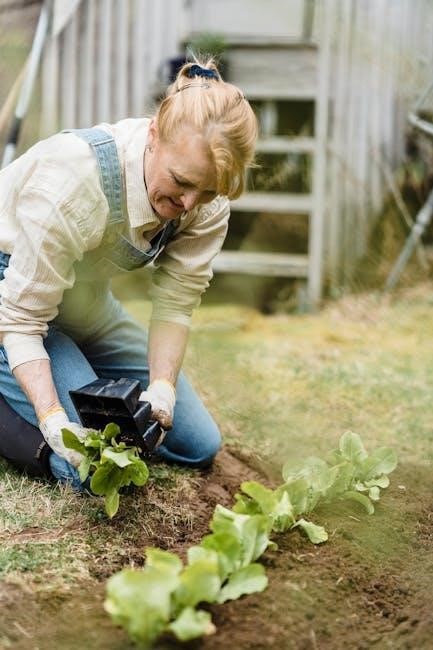
Vegetable Planting Guide: Perth, WA
Perth’s gardening success hinges on a tailored planting calendar, maximizing yields with strategic timing. Utilizing guides and resources ensures optimal growth,
considering seasonal variations and local climate conditions for bountiful harvests.
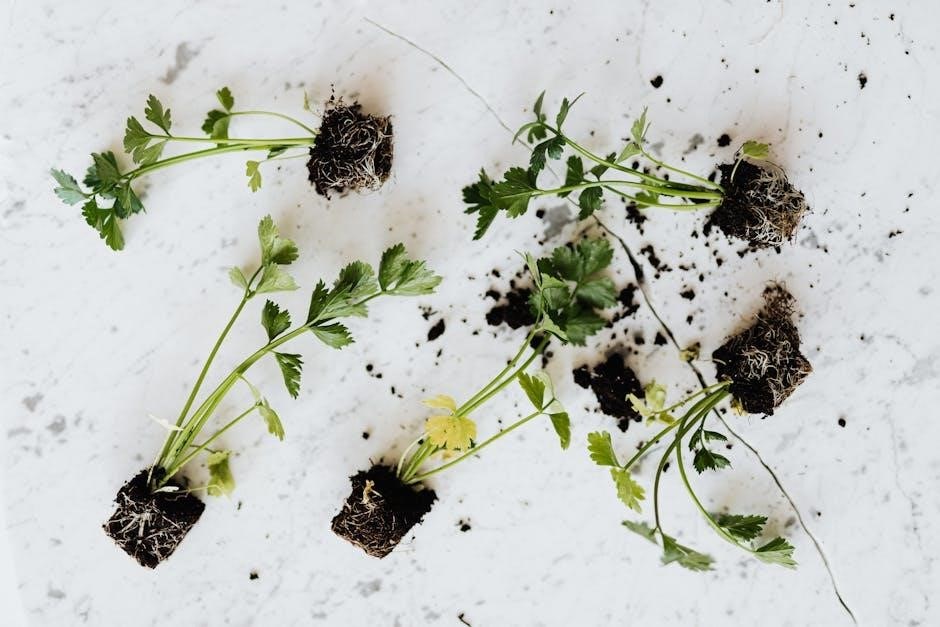
Understanding Perth’s Climate for Vegetable Gardening
Perth’s unique Mediterranean climate presents both opportunities and challenges for vegetable gardeners. Characterized by hot, dry summers and mild, wet winters, successful cultivation requires careful planning aligned with seasonal shifts. Summers demand heat-tolerant varieties and efficient watering strategies, while winters allow for cool-season crops to flourish.
Understanding the distinct growing seasons – spring (September-November), summer (December-February), autumn (March-May), and winter (June-August) – is crucial. Frosts are rare but possible, particularly in inland areas, necessitating protective measures. The long, sunny days provide ample sunlight for growth, but also increase evaporation rates. Gardeners must adapt their techniques to mitigate these factors, focusing on soil health, water conservation, and appropriate plant selection to thrive in Perth’s conditions.
Soil Preparation in Perth: A Foundation for Success
Perth’s sandy soils, while well-draining, often lack the nutrient retention necessary for thriving vegetable gardens. Thorough soil preparation is paramount, beginning with removing rocks and weeds. Amending the soil with generous amounts of organic matter – compost, well-rotted manure, or peat moss – significantly improves its structure, fertility, and water-holding capacity.
Consider a soil test to determine pH levels and nutrient deficiencies, allowing for targeted amendments. Aim for a slightly acidic to neutral pH (around 6.0-7.0). Digging in organic matter deeply, at least 30cm, encourages strong root development. Raised garden beds are particularly beneficial, offering improved drainage and control over soil composition. Consistent soil improvement is an ongoing process, ensuring a healthy foundation for abundant vegetable harvests throughout the seasons.
Best Vegetables to Grow in Perth ⸺ Seasonal Guide
Perth’s Mediterranean climate allows for year-round vegetable gardening, but success depends on selecting appropriate varieties for each season. Spring (September-November) is ideal for tomatoes, peppers, eggplant, beans, and cucumbers. Summer (December-February) favors heat-tolerant options like okra, sweet potatoes, and zucchini.
Autumn (March-May) welcomes cool-season crops such as broccoli, cauliflower, cabbage, spinach, and lettuce. Even winter (June-August) can yield harvests of kale, silverbeet, peas, and broad beans. Utilizing succession planting – sowing seeds every few weeks – ensures a continuous supply. Consider microclimates within your garden; sheltered spots can extend growing seasons. Choosing disease-resistant varieties minimizes potential problems, maximizing your Perth vegetable garden’s potential.
Spring Planting (September ― November)
Spring in Perth offers warm days and cooler nights, creating optimal conditions for a wide range of vegetables. This is the prime time to start tomatoes, peppers, and eggplants from seedlings, or direct sow beans, cucumbers, and zucchini. Prepare your soil with compost and well-rotted manure for a nutrient boost;
Leafy greens like lettuce, spinach, and silverbeet also thrive during these months. Consider starting seeds indoors a few weeks before the last frost to get a head start. Regular watering is crucial as the weather warms up. Protect young seedlings from strong winds and pests. Spring planting sets the stage for a bountiful summer harvest in Perth gardens.
Vegetables for Spring Planting ― Detailed List
For a thriving spring garden in Perth, consider these vegetables: Tomatoes (start seedlings), Capsicum & Chilli Peppers (seedlings), Eggplant (seedlings), Beans (direct sow ― bush & climbing), Cucumber (direct sow), Zucchini & Squash (direct sow), Lettuce (seeds or seedlings), Spinach (seeds), Silverbeet (seeds), Radishes (direct sow ― quick crop!), Carrots (direct sow), Beetroot (direct sow), Peas (direct sow), and Broccoli (seedlings).
Herbs like basil, coriander, and parsley also flourish. Remember to check seed packets for specific planting depths and spacing. Successive sowing of radishes and lettuce every few weeks ensures a continuous supply. Prioritize sun-loving vegetables in the warmest parts of your garden. Proper spacing prevents overcrowding and promotes healthy growth.
Seed Starting vs. Direct Sowing in Spring
In Perth’s spring, deciding between seed starting and direct sowing depends on the vegetable. Tomatoes, capsicums, and eggplants benefit from seed starting indoors 6-8 weeks before the last frost, providing a head start. This is crucial for their longer growing season. However, root vegetables like carrots, radishes, and beetroot thrive with direct sowing, disliking root disturbance.
Beans, zucchini, and cucumbers also do well directly sown. Seed starting offers control over germination, but direct sowing is simpler. Consider soil temperature; warm soil is vital for successful germination. Protect seedlings started indoors from harsh sunlight initially. Ultimately, both methods yield fantastic results with careful planning and attention.
Summer Planting (December ― February)
Perth summers demand heat-tolerant vegetable choices for successful gardening. December to February presents challenges with intense sun and drying winds. Focus on varieties that can withstand these conditions. Consider planting towards the end of the period as the harshest heat subsides slightly. Key vegetables for summer include beans, cucumbers, and zucchini, benefiting from consistent moisture.
Eggplant and tomatoes continue to thrive with adequate watering and some afternoon shade. It’s also a good time for successional sowing of quick-growing crops like lettuce and radish. Mulching heavily is essential to retain soil moisture and regulate temperature. Remember, careful planning and consistent care are vital for a productive summer garden in Perth.
Heat-Tolerant Vegetables for Perth Summers
Perth’s scorching summers necessitate selecting vegetables built to endure high temperatures. Okra is a champion, thriving in the heat and producing abundantly. Eggplant, with its robust nature, also performs well, alongside various bean varieties like yard-long beans. Cucumbers, particularly those with thicker skins, can tolerate the sun, benefiting from afternoon shade.
Tomatoes, a garden staple, require consistent watering and benefit from shade cloth during peak heat. Capsicums and chillies are surprisingly resilient, while sweet potatoes flourish in warm soil. Zucchini and pumpkins are also good choices, but require ample water. Consider varieties specifically bred for hot climates. Proper soil preparation and mulching are crucial for supporting these heat-loving plants throughout the summer months.
Watering Strategies for Summer Vegetable Gardens
Perth’s summer heat demands a strategic watering approach to prevent stress and maximize yields. Deep, infrequent watering encourages deep root growth, making plants more resilient. Early morning is the ideal time, minimizing evaporation. Drip irrigation or soaker hoses deliver water directly to the roots, reducing water waste and foliage diseases.
Mulching heavily with straw, wood chips, or compost conserves moisture and regulates soil temperature. Monitor soil moisture levels regularly – don’t rely solely on a schedule. Consider grouping plants with similar water needs. Water deeply after planting seedlings. During extreme heatwaves, supplemental watering may be necessary, even twice daily. Rainwater harvesting is an excellent sustainable practice for Perth gardens.
Autumn Planting (March ⸺ May)
Autumn in Perth offers a sweet spot for establishing cool-season vegetables before winter’s chill. This period provides milder temperatures and increased rainfall, ideal for germination and early growth. Focus on crops that thrive in cooler conditions, benefiting from the diminishing heat. Soil preparation is key – enrich with compost and well-rotted manure to provide essential nutrients.
March is excellent for sowing seeds of leafy greens like spinach and lettuce. April and May are prime times for planting brassicas (broccoli, cabbage, kale) and root vegetables (carrots, beets, radishes). Consider succession planting to extend your harvest. Protecting young seedlings from potential late frosts with cloches or row covers is advisable. Autumn planting sets the stage for a productive winter garden in Perth.
Cool-Season Vegetables for Autumn Planting
Perth’s autumn presents an ideal opportunity to cultivate a diverse range of cool-season vegetables. Leafy greens like spinach, lettuce, kale, and silverbeet flourish in the milder temperatures. Brassicas – broccoli, cabbage, cauliflower, and Brussels sprouts – thrive when planted from March to May, maturing through winter. Root vegetables, including carrots, beets, radishes, and turnips, also benefit from autumn sowing, developing sweetness with cooler nights.
Peas and broad beans are excellent choices for autumn planting, providing a delicious early winter harvest. Garlic and onions can also be planted now for a flavourful yield next year. Consider Asian greens like pak choi and mizuna for quick growth and continuous harvests. Selecting varieties suited to Perth’s climate ensures optimal results and a bountiful autumn garden.
Extending the Growing Season with Protection
Perth’s mild winters allow for season extension, maximizing vegetable production. Utilizing cloches, row covers, or plastic tunnels provides frost protection and creates warmer microclimates. Cold frames offer a simple, effective way to shield seedlings and young plants. Applying mulch – straw, hay, or wood chips – insulates the soil, protecting roots from freezing temperatures and retaining moisture.
Greenhouses, even small ones, significantly extend the growing season, enabling year-round cultivation. Choosing frost-hardy varieties also contributes to success. Strategic placement of plants, utilizing sheltered locations, minimizes exposure to harsh weather. Regularly monitoring forecasts and providing timely protection ensures healthy growth, even during colder spells, resulting in a longer, more productive harvest period.
Winter Planting (June ⸺ August)
Perth’s mild winters are ideal for a range of cool-season vegetables. Broad beans, peas, spinach, kale, and lettuce thrive when planted during these months. Root vegetables like carrots, beetroot, and radishes also perform well, benefiting from the cooler temperatures and consistent moisture. Cabbage, broccoli, and cauliflower can be started from seedlings for a winter harvest.

Ensure well-drained soil to prevent waterlogging, a common issue during winter rainfall. Consider using raised beds to improve drainage. Protect young seedlings from strong winds and occasional frosts with row covers or cloches. Consistent watering is crucial, even though rainfall is more frequent. Winter planting allows for a continuous supply of fresh produce, bridging the gap between autumn and spring harvests, maximizing garden productivity.
Vegetables That Thrive in Perth’s Mild Winters
Perth’s gentle winters support a diverse selection of vegetables. Leafy greens like spinach, kale, and silverbeet flourish, providing nutritious harvests. Root vegetables, including carrots, beetroot, and turnips, develop excellent flavour in the cool soil. Brassicas – broccoli, cabbage, and cauliflower – benefit from the slower growth rate, resulting in denser heads.
Legumes such as broad beans and peas are also well-suited to winter planting. Garlic and onions can be planted for a spring harvest. Consider Asian greens like pak choi and mizuna for quick, flavourful additions to meals. Protecting these crops from occasional frosts will maximize yields. Choosing varieties specifically bred for cooler climates will further enhance success, ensuring a bountiful winter garden.
Protecting Vegetables from Frost
Even Perth’s mild winters can experience occasional frosts, potentially damaging sensitive vegetables. Protecting plants is crucial for a successful harvest. Fleece covers are an excellent option, providing a barrier against freezing temperatures while still allowing light and air circulation. Cloches, made from glass or plastic, offer similar protection for individual plants.
Mulching heavily around the base of plants insulates the soil and protects roots. Moving potted plants to a sheltered location, like a garage or patio, can prevent frost damage. Watering before a predicted frost can also help, as moist soil retains heat better than dry soil. For more established gardens, consider using frost sprinklers to create a protective layer of ice. Regularly monitoring weather forecasts is key to proactive frost protection.
Dealing with Common Perth Garden Pests
Perth gardens face challenges from various pests, impacting vegetable yields. Aphids are common, easily controlled with a strong jet of water or insecticidal soap. Whiteflies thrive in warmer months; yellow sticky traps are effective for monitoring and control. Cabbage white butterflies lay eggs on brassicas – use netting to prevent access.
Slugs and snails are prevalent, particularly during wet periods. Beer traps or copper tape around garden beds can deter them. Fruit flies can plague tomatoes and other fruiting vegetables; regular removal of fallen fruit is essential. Encourage beneficial insects like ladybugs and lacewings, natural predators of many pests. Companion planting, such as marigolds, can also repel unwanted visitors. Regularly inspect plants for early signs of infestation.
Managing Common Vegetable Diseases in Perth
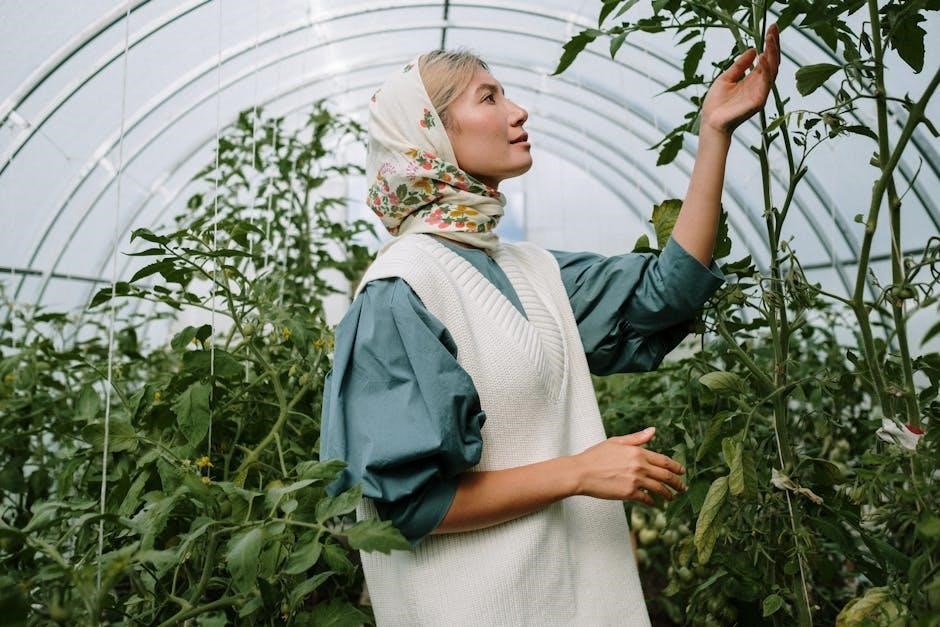
Perth’s humid conditions can foster vegetable diseases, requiring proactive management. Early and late blight affect tomatoes and potatoes; preventative copper sprays can help. Powdery mildew, appearing as a white coating on leaves, is common in cucumbers and pumpkins – improve air circulation and use a fungicide if needed.
Downy mildew thrives in damp weather, impacting brassicas. Ensure good drainage and avoid overhead watering. Root rot, caused by fungal pathogens, affects various vegetables; well-draining soil is crucial. Leaf spot diseases can affect many plants; remove infected foliage promptly. Practicing crop rotation minimizes disease buildup in the soil. Choose disease-resistant varieties whenever possible. Good garden hygiene, including removing plant debris, is vital for prevention.
Choosing the Right Location for Your Vegetable Garden
Sunlight is paramount; most vegetables require at least six hours of direct sunlight daily. A north-facing garden maximizes winter sun, while afternoon shade is beneficial during Perth’s intense summers. Consider proximity to a water source for convenient irrigation – essential in WA’s climate.
Good drainage is crucial; avoid areas where water pools after rain. Shelter from strong winds protects delicate plants. Assess the soil type; amend heavy clay or sandy soils with organic matter. Avoid planting near trees with invasive roots. Accessibility is key – a conveniently located garden encourages regular maintenance. Observe the area throughout the day to understand sun patterns and microclimates. Raised beds can improve drainage and soil quality in less-than-ideal locations.
Companion Planting for Perth Vegetable Gardens
Companion planting leverages beneficial relationships between plants, enhancing growth and pest control. For example, basil repels whiteflies and improves tomato flavour, while marigolds deter nematodes – a common Perth garden pest. Carrots and onions are excellent companions, confusing root-attacking flies.
Legumes (beans, peas) fix nitrogen in the soil, benefiting nitrogen-hungry vegetables like brassicas (broccoli, cabbage). Avoid planting fennel near most vegetables, as it inhibits growth. Nasturtiums act as a trap crop for aphids, protecting other plants. Consider planting aromatic herbs like rosemary and thyme to deter pests. Rotate companion plants annually to prevent soil depletion and pest build-up. Research specific combinations for optimal results in Perth’s unique climate.
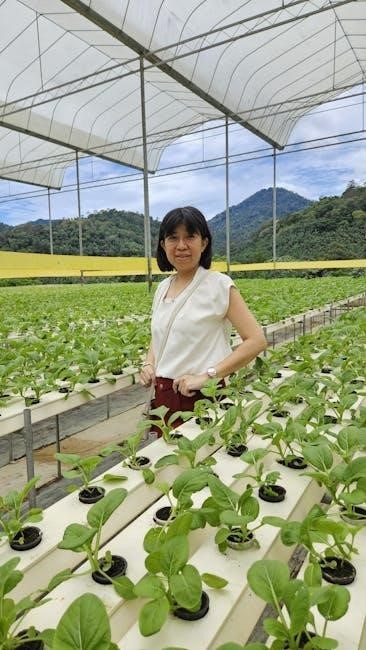
Utilizing Raised Garden Beds in Perth
Raised garden beds offer significant advantages in Perth’s sandy soils and climate. They improve drainage, crucial during winter rains, and allow for customized soil mixes, enriching nutrient-poor areas. Building beds 20-30cm high is ideal, facilitating easier access and reducing soil compaction.
Utilize durable, untreated timber or recycled materials for construction. Consider lining the beds with weed fabric to prevent grass intrusion. Raised beds warm up faster in spring, extending the growing season. They also minimize bending, benefiting gardeners with mobility issues. Fill with a blend of compost, aged manure, and quality topsoil. Ensure adequate spacing between beds for easy maintenance and airflow, maximizing sunlight exposure for healthy vegetable growth in Perth.
Water Conservation Techniques for Perth Gardens
Perth’s water restrictions necessitate efficient gardening practices. Mulching heavily with straw, wood chips, or leaves significantly reduces evaporation and suppresses weeds, conserving precious water resources. Implement drip irrigation systems, delivering water directly to plant roots, minimizing waste compared to overhead sprinklers.
Group plants with similar water needs together to optimize irrigation schedules. Water deeply and less frequently, encouraging deep root growth for drought tolerance. Collect rainwater in tanks for supplemental irrigation. Consider using greywater (from showers and sinks) responsibly, adhering to local regulations. Choose drought-hardy vegetable varieties suited to Perth’s climate, reducing overall water demand and promoting sustainable gardening.
Organic Gardening Practices in Perth
Embrace sustainable methods for a thriving, chemical-free Perth vegetable garden. Begin with enriching your soil using compost, worm castings, and well-rotted manure, providing essential nutrients naturally. Practice crop rotation to prevent soil depletion and reduce pest and disease buildup. Utilize companion planting, strategically pairing plants to benefit each other – for example, basil repels pests from tomatoes.
Employ natural pest control methods like introducing beneficial insects (ladybugs, lacewings) or using organic sprays like neem oil. Avoid synthetic fertilizers and pesticides, opting for organic alternatives. Regularly remove weeds by hand to prevent competition for resources. Focus on building healthy soil, fostering a resilient ecosystem that supports vigorous plant growth and minimizes the need for intervention.
Fertilizing Your Vegetable Garden in Perth
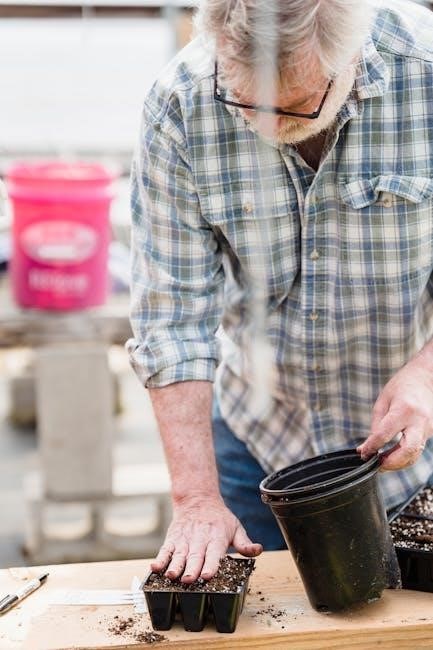
Perth’s sandy soils often require regular fertilization to support healthy vegetable growth. Begin with a soil test to determine specific nutrient deficiencies. Organic fertilizers like compost, aged manure, and seaweed extract are excellent choices, releasing nutrients slowly and improving soil structure. For a quick boost, consider liquid fertilizers derived from fish emulsion or kelp.
During the growing season, side-dress plants with fertilizer every few weeks. Tomatoes, peppers, and eggplants are heavy feeders, benefiting from regular applications. Leafy greens require nitrogen-rich fertilizers for lush growth. Avoid over-fertilizing, which can lead to excessive foliage and reduced fruit production. Always follow package instructions and water thoroughly after application to prevent root burn.
Perth Vegetable Planting Calendar ― A Month-by-Month Guide
A successful Perth vegetable garden relies on a well-planned planting schedule aligned with the seasons. September-November is ideal for tomatoes, peppers, and cucumbers from seedlings. December-February focuses on heat-tolerant varieties like beans and zucchini, direct sown or started earlier. March-May suits cool-season crops – lettuce, spinach, and peas – benefiting from milder temperatures;
June-August allows for winter vegetables such as broccoli, cabbage, and kale. Succession planting is crucial; sow small batches of fast-growing crops like radishes and lettuce every few weeks for continuous harvests. Utilize planting calendars readily available online and from local nurseries to optimize timing and maximize yields throughout the year.
Local Perth Resources for Gardeners
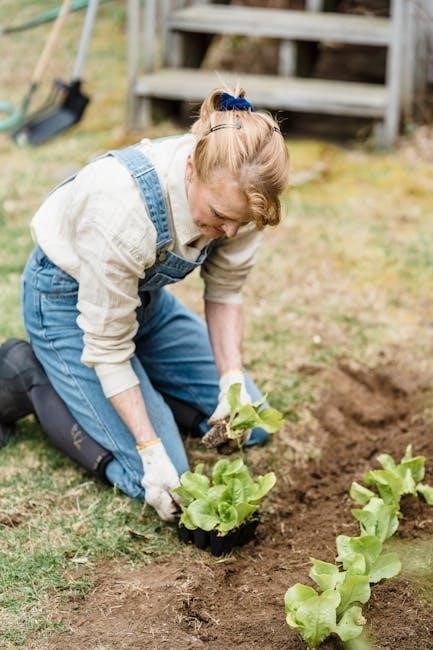
Perth boasts a thriving gardening community and numerous resources for both novice and experienced growers. The Perth Garden & Home Show offers inspiration and expert advice. Local nurseries, like those in Cannington and Subiaco, provide seedlings, seeds, and tailored guidance for Perth’s climate.
WA Department of Primary Industries and Regional Development (DPIRD) offers extensive online resources on vegetable gardening, pest control, and soil health. Several gardening clubs across Perth host workshops and share knowledge. Online forums and social media groups connect local gardeners, fostering a collaborative learning environment. YouTube channels dedicated to Australian gardening also provide valuable, region-specific tips.
Succession Planting for Continuous Harvests
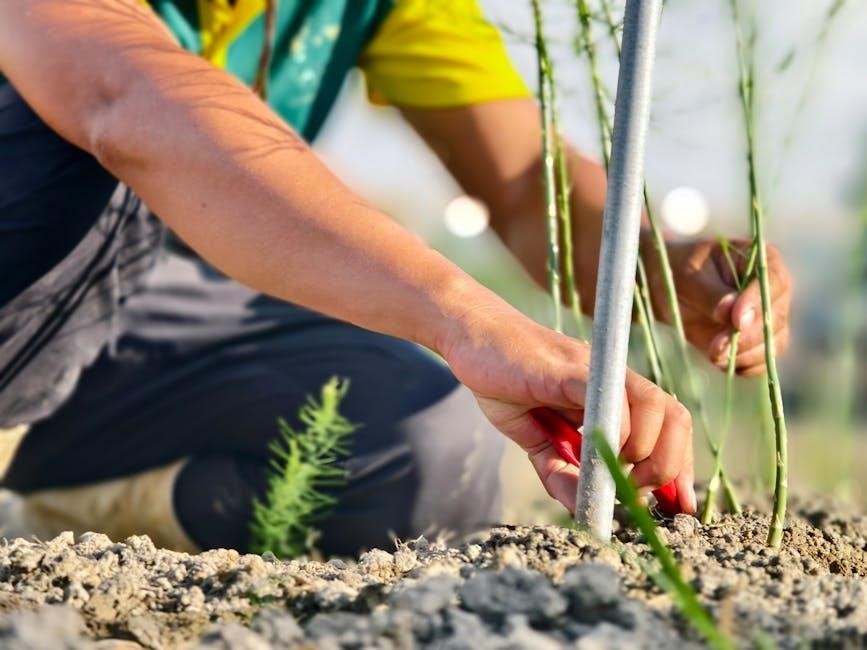
Maximize your Perth vegetable garden’s productivity with succession planting – a technique of staggering planting times. Instead of planting all your lettuce at once, sow seeds every two to three weeks for a continuous supply. This extends the harvest period, preventing gluts and shortages.
Fast-growing crops like radishes and lettuce are ideal for frequent succession. For slower-growing vegetables, plan multiple plantings throughout the growing season. Consider intercropping – planting fast-maturing crops between rows of slower-growing ones. Utilizing Perth’s mild climate, you can often achieve multiple successions of the same crop, ensuring fresh produce throughout the year. Careful planning is key to a consistently abundant harvest.
Harvesting and Storing Your Perth-Grown Vegetables
Knowing when and how to harvest your Perth-grown vegetables is crucial for optimal flavor and longevity. Harvest leafy greens when young and tender, while root vegetables benefit from a little maturity. Regularly check for ripeness, as conditions can change rapidly. Proper storage extends the enjoyment of your harvest.
Root vegetables like carrots and potatoes store well in a cool, dark, and humid environment. Leafy greens require refrigeration, ideally wrapped in a damp cloth. Tomatoes can be ripened indoors if picked slightly green. Consider preserving excess produce through methods like freezing, pickling, or drying. Enjoy the fruits (and vegetables!) of your labor throughout the seasons with careful harvesting and storage techniques.
Specific Vegetable Guides (Tomatoes, Lettuce, etc.)
Delving into individual vegetable needs unlocks greater gardening success in Perth’s unique climate. Tomatoes thrive with full sun and consistent watering, benefiting from staking or caging. Lettuce prefers cooler temperatures and partial shade, requiring regular moisture to prevent bolting. Root vegetables like carrots and radishes need well-drained soil and consistent moisture for optimal development.

Understanding specific requirements – from soil pH to pest susceptibility – allows for targeted care. Resources detailing companion planting for each vegetable can further enhance growth and yield. Researching each plant’s ideal conditions ensures a bountiful and healthy harvest, tailored to Perth’s seasonal variations.