Oklahoma Form 200 Instructions: A Comprehensive Guide (Updated April 16, 2026)
TypingClub offers accessible typing software, allowing students to customize font size and themes. It provides structured lessons, games, and progress tracking for mastering keyboard skills effectively.

What is Oklahoma Form 200?

Oklahoma Form 200 is the official state income tax return used by individuals to report their annual income and calculate any tax liability owed to the state of Oklahoma. It’s a crucial document for Oklahoma residents and those with income sourced from within the state. This form is utilized to determine if you have an overpayment (resulting in a refund) or an underpayment (requiring a payment to the state).

The form requires detailed information regarding your income sources, including wages, salaries, tips, interest, dividends, and any other taxable income received throughout the tax year. Furthermore, Form 200 accounts for various deductions and credits that can reduce your overall tax burden.
TypingClub, while unrelated to tax forms, emphasizes skill development through structured lessons and progress tracking. Similarly, Form 200 requires careful attention to detail and accurate reporting to ensure compliance with Oklahoma tax laws. Understanding the form’s components and instructions is vital for a smooth and accurate filing process. It’s designed to be comprehensive, covering a wide range of income scenarios and potential tax benefits available to Oklahoma taxpayers.
Who Needs to File Form 200?
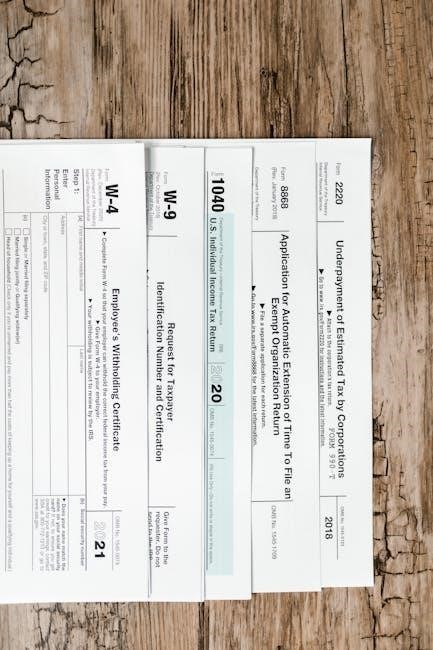
Generally, any Oklahoma resident with taxable income exceeding the standard deduction amount for their filing status is required to file Form 200. This includes individuals who earned wages, salaries, tips, or self-employment income within Oklahoma, even if taxes were already withheld. Non-residents who earned income sourced from Oklahoma also need to file if their income meets the filing threshold.
Specifically, if your total income exceeds the amount for which you are exempt, filing is mandatory. Even if you don’t owe any tax, you may still need to file to claim a refund of any withheld Oklahoma income tax. Part-year residents, those who moved into or out of Oklahoma during the tax year, also have filing obligations.
TypingClub, focused on improving typing skills, shares a common thread with tax filing – attention to detail. Just as accurate typing requires precision, accurate tax filing demands careful consideration of income and deductions. Consult the official Oklahoma Tax Commission guidelines for specific income thresholds and filing requirements based on your individual circumstances.

Understanding Oklahoma Taxable Income
Oklahoma taxable income is calculated starting with your federal adjusted gross income (AGI). From this, you generally add back any deductions taken on your federal return that are not allowed for Oklahoma tax purposes. Common additions include certain retirement income and interest income exempt from federal taxation but taxable in Oklahoma.
Conversely, you may subtract certain items from your federal AGI to arrive at your Oklahoma taxable income. These subtractions can include items like certain retirement benefits, qualified business income (QBI) deductions, and contributions to Oklahoma 529 plans. The specific rules surrounding these additions and subtractions can be complex, so careful review of the Form 200 instructions is crucial.
TypingClub’s structured lessons emphasize building a solid foundation – much like understanding taxable income. Just as mastering keyboard basics is essential for efficient typing, accurately calculating taxable income is fundamental to correct tax filing. Always refer to the latest Oklahoma Tax Commission publications for detailed guidance and any changes to the rules.

Oklahoma Standard Deduction Amounts (2026)
For the 2026 tax year, Oklahoma offers a standard deduction, simplifying tax filing for many residents. The amount varies based on your filing status. Single filers are generally eligible for a specific deduction amount, while married couples filing jointly receive a larger standard deduction. Head of household filers have a deduction amount falling between the single and joint filing statuses.
These amounts are subject to annual adjustments for inflation, so it’s vital to consult the official 2026 Form 200 instructions for the precise figures. If your itemized deductions (discussed elsewhere) exceed the standard deduction, you’ll generally benefit from itemizing. However, the standard deduction provides a convenient option for those with limited itemizable expenses.
TypingClub, like the standard deduction, offers a streamlined approach to learning. Its structured courses provide a default path to proficiency, similar to how the standard deduction simplifies tax calculations. Remember to always verify the current deduction amounts with the Oklahoma Tax Commission.
Itemized Deductions Allowed in Oklahoma
Oklahoma allows taxpayers to reduce their taxable income by itemizing deductions, if the total exceeds the standard deduction. Common itemized deductions include medical expenses exceeding 7.5% of adjusted gross income, state and local taxes (SALT) – capped at $10,000, and home mortgage interest. Charitable contributions to qualified organizations are also deductible, subject to certain limitations based on your adjusted gross income.
Taxpayers can deduct property taxes paid during the year. Keep detailed records of all itemized expenses, as documentation is crucial if your return is audited. Unlike some states, Oklahoma’s itemization rules closely follow federal guidelines, but specific limitations may apply.
TypingClub’s comprehensive courses, much like itemized deductions, require detailed attention to maximize benefits. Each lesson builds upon the previous one, demanding focused effort for optimal skill development. Carefully review the Oklahoma Form 200 instructions and consult with a tax professional to ensure you claim all eligible itemized deductions correctly.
Tax Credits Available on Form 200
Oklahoma offers several tax credits that directly reduce your tax liability, unlike deductions which only reduce taxable income. These credits can significantly lower the amount of tax you owe. Common credits include the Earned Income Tax Credit (EITC), for low-to-moderate income workers, and the Child and Dependent Care Credit, helping with childcare expenses.
Credits are also available for certain educational expenses, such as tuition and fees. The Oklahoma Qualified Education Expenses Credit can provide substantial savings. Additionally, credits may exist for volunteer firefighters, adoption expenses, and energy-efficient home improvements. Eligibility requirements vary for each credit, so careful review is essential.
TypingClub, similar to tax credits, provides direct benefits – improved typing speed and accuracy. Its structured lessons and games offer a tangible return on your time investment. Always consult the official Oklahoma Form 200 instructions and relevant schedules to determine which credits you qualify for and how to claim them correctly.
Dependent Exemption Details
Oklahoma allows taxpayers to claim exemptions for qualifying dependents. A dependent generally must be a qualifying child or a qualifying relative. Qualifying children must meet age, residency, and support tests. Qualifying relatives have specific relationship and support requirements. The exemption amount reduces your taxable income, lowering your overall tax liability.
For the 2026 tax year, the specific exemption amount per dependent will be detailed in the official Form 200 instructions. It’s crucial to verify eligibility criteria carefully, as rules can change annually. Documentation supporting your dependent claim, such as Social Security numbers and birthdates, should be retained with your tax return.
TypingClub, much like claiming a dependent, requires careful attention to detail. Successfully navigating its courses demands focus and accuracy. Just as with tax forms, understanding the rules – in this case, proper typing technique – is key to achieving a positive outcome. Always refer to the official Oklahoma guidelines for accurate dependent exemption information.
Calculating Your Oklahoma Income Tax Liability
Determining your Oklahoma income tax liability involves several steps. First, calculate your Oklahoma taxable income by starting with your federal adjusted gross income (AGI). Then, add back any deductions taken on your federal return that are not allowed for Oklahoma purposes. Next, subtract any Oklahoma-specific deductions, such as the standard deduction or itemized deductions.
Once you’ve calculated your taxable income, apply the appropriate tax rates for the 2026 tax year (detailed in a separate section). Multiply your taxable income by the corresponding tax rate for your filing status. Finally, subtract any tax credits you are eligible for to arrive at your total Oklahoma income tax liability.
TypingClub, similar to tax calculations, requires a systematic approach. Each lesson builds upon the previous one, demanding accuracy and precision. Just as careful calculations are needed for taxes, consistent practice is vital for improving typing speed and accuracy. Refer to the Form 200 instructions for precise calculation details.
Tax Rates for the 2026 Tax Year
Oklahoma’s income tax rates for the 2026 tax year are progressive, meaning the rate increases as your taxable income rises. These rates apply to taxable income after deductions and exemptions have been applied. It’s crucial to use the correct rates based on your filing status – single, married filing jointly, married filing separately, or head of household.
While specific rates are subject to change, understanding the tiered system is key. Lower income brackets will have lower tax rates, while higher income brackets will be taxed at higher rates. The official Form 200 instructions will provide the definitive tax rate schedule for the 2026 tax year. Always consult the official documentation for the most accurate information.
TypingClub also utilizes a tiered system – progressing through lessons of increasing difficulty. Just as tax rates increase with income, TypingClub lessons demand greater skill and speed. Mastering each level builds a solid foundation for future success, mirroring the progressive nature of Oklahoma’s tax structure.
Common Filing Statuses and Their Impact
Choosing the correct filing status on your Oklahoma Form 200 is vital, as it directly impacts your standard deduction amount and applicable tax rates. The most common filing statuses include Single, Married Filing Jointly, Married Filing Separately, and Head of Household. Each status has specific requirements and implications for your tax liability.
Married Filing Jointly generally results in the lowest tax liability for married couples, offering a larger standard deduction and broader tax brackets. Married Filing Separately may be beneficial in specific situations, but often leads to a higher tax burden. Head of Household is available to unmarried individuals who pay more than half the costs of keeping up a home for a qualifying child or relative.
TypingClub, similarly, offers personalized learning paths. Just as selecting the right filing status optimizes your tax outcome, choosing the appropriate TypingClub course caters to your skill level. Whether you’re a beginner or an advanced typist, the platform adapts to your needs, maximizing your learning efficiency.
Estimated Tax Payments and Form 200-ES
If you anticipate owing $1,000 or more in Oklahoma income tax for the year, you’re generally required to make estimated tax payments. These payments are made quarterly using Form 200-ES, ensuring you satisfy your tax obligations throughout the year rather than in a lump sum during filing season. Failing to make sufficient estimated payments can result in penalties and interest.
Form 200-ES allows individuals, estates, and trusts to calculate and remit their estimated tax liability. The form requires you to estimate your income, deductions, and credits for the year to determine your expected tax owed. Accurate estimations are crucial to avoid underpayment penalties.
Much like TypingClub’s structured lessons build skills incrementally, consistent estimated tax payments prevent a large financial burden at tax time. Just as TypingClub tracks your progress, keeping records of your estimated tax payments is essential for accurate tax filing. Regular, smaller payments are often more manageable than a single, large payment.
Penalties and Interest for Late Filing or Payment
Oklahoma imposes penalties and interest charges for both late filing and late payment of your Form 200 income tax return. The penalty for late filing is 5% of the tax due for each month or part of a month that the return is late, up to a maximum of 25% of the unpaid tax. Interest accrues on any unpaid tax from the original due date until paid, currently at a rate determined by the Oklahoma Tax Commission.
Similar to how TypingClub penalizes incorrect keystrokes with a visual cue, Oklahoma assesses penalties for tax errors. However, a reasonable cause exception may apply if you can demonstrate extenuating circumstances prevented timely filing or payment. Documentation supporting your claim is vital.
Avoiding these penalties is straightforward: file your return and pay any tax due by the deadline. Just as consistent practice on TypingClub improves accuracy, diligent tax preparation and timely payments ensure compliance and minimize financial burdens. The Oklahoma Tax Commission website provides detailed information on penalty calculations and waiver requests.
Required Documentation to Keep with Your Return
Maintaining thorough records is crucial when filing Oklahoma Form 200. While you generally don’t submit supporting documentation with your return unless specifically requested, you must keep it readily available in case of an audit. Essential documents include W-2 forms from employers, 1099 forms reporting income (interest, dividends, etc.), and records of any itemized deductions claimed.
Similar to how TypingClub tracks your progress and keystrokes, the Oklahoma Tax Commission requires proof of your income and expenses. This includes receipts for charitable contributions, medical expenses, and property taxes. If claiming tax credits, retain documentation verifying eligibility, such as tuition statements for education credits.
Keep these records for at least three years from the date you filed your return, or two years from the date you paid the tax, whichever is later. Organized documentation, like structured lessons in TypingClub, simplifies the audit process. Digital copies are acceptable, but ensure they are easily accessible and legible.
Where to Find the Official Form 200 (2026)
The official Oklahoma Form 200 for the 2026 tax year, along with its accompanying instructions, is readily available through the Oklahoma Tax Commission’s website. This is the most reliable source to ensure you are using the current and correct version of the form. You can access it directly by navigating to the Tax Commission’s official portal – typically found with a quick online search for “Oklahoma Tax Commission.”
Just as TypingClub provides accessible learning materials, the Oklahoma Tax Commission aims to make tax forms easily obtainable. The form is usually available as a downloadable PDF, allowing you to print it or complete it digitally. Alternatively, you may be able to request a physical copy by mail, though this method may take longer.
Beware of third-party websites offering tax forms; always verify the source to avoid outdated or inaccurate versions. The Oklahoma Tax Commission website is the definitive location for the official Form 200 and related resources.
How to File Form 200: Options Available
Oklahoma offers several convenient options for filing your Form 200. You can choose to file electronically, which is generally the fastest and most secure method. The Oklahoma Tax Commission partners with approved e-filing providers, a list of which is available on their website. Similar to TypingClub’s accessible platform, Oklahoma strives for user-friendly tax filing.
Alternatively, you can file a paper return by mailing the completed Form 200 and all required documentation to the address specified in the instructions. Ensure you use the correct address based on whether you are including a payment. Keep a copy of your return for your records.
Some taxpayers may also have the option of filing through a tax professional. A qualified tax preparer can assist you in accurately completing and filing your return, potentially maximizing your refund and minimizing errors. Regardless of the method chosen, always adhere to the filing deadlines to avoid penalties.
Amending Your Oklahoma Tax Return (Form 200-X)
If you discover an error or omission on your originally filed Oklahoma Form 200, you must file an amended return using Form 200-X. This form allows you to correct mistakes related to income, deductions, credits, or any other aspect of your tax return. Like TypingClub’s iterative learning process, amending your return allows for correction and improvement.
To amend your return, obtain Form 200-X from the Oklahoma Tax Commission website or request a copy by mail. Complete the form, clearly indicating the changes you are making and providing supporting documentation. Attach a copy of your original Form 200 to the amended return.
Submit the amended return and any payment due to the address specified on the form. It’s crucial to file an amended return promptly to minimize any potential penalties or interest charges. The Oklahoma Tax Commission provides detailed instructions and guidance on completing Form 200-X to ensure accuracy and compliance.
Resources for Tax Assistance in Oklahoma
Several resources are available to Oklahoma taxpayers who need assistance with Form 200 and other tax-related matters. The Oklahoma Tax Commission (OTC) website offers a wealth of information, including frequently asked questions, publications, and forms. Similar to TypingClub’s comprehensive courses, the OTC provides structured learning materials.
Taxpayers can also contact the OTC directly by phone or email for personalized assistance. Additionally, numerous volunteer income tax assistance (VITA) sites throughout Oklahoma offer free tax preparation services to eligible individuals, including those with low to moderate incomes, persons with disabilities, and limited English speakers.
AARP Foundation Tax-Aide is another valuable resource, providing free tax assistance to taxpayers, with a focus on those age 50 and older. Professional tax preparers, enrolled agents, and certified public accountants (CPAs) are also available for hire, offering expert guidance and support. Utilizing these resources can ensure accurate filing and maximize potential refunds.
Understanding Oklahoma Tax Withholding
Oklahoma employers are required to withhold state income tax from their employees’ wages based on the information provided on Form W-4, the Employee’s Withholding Allowance Certificate. Accurate withholding ensures taxpayers avoid underpayment penalties when filing Form 200. Much like TypingClub helps users build skills progressively, proper withholding builds financial stability.
The amount of tax withheld depends on factors such as filing status, number of dependents, and other income. Employees can adjust their withholding by submitting a new W-4 to their employer. If too little tax is withheld, taxpayers may owe a balance when filing their return. Conversely, if too much tax is withheld, they will receive a refund.
Self-employed individuals are responsible for making estimated tax payments throughout the year using Form 200-ES, as they do not have taxes automatically withheld from wages. Understanding Oklahoma’s withholding rules is crucial for accurate tax planning and avoiding surprises during tax season. Regular review of withholding is recommended.
Frequently Asked Questions About Form 200
Q: What if I move to Oklahoma mid-year? A: You’ll need to file Form 200 and report all income earned while an Oklahoma resident. Similar to mastering keyboard skills with TypingClub, understanding residency rules takes practice.
Q: Can I file Form 200 electronically? A: Yes, Oklahoma offers e-filing options through authorized providers. E-filing is generally faster and more secure than mailing a paper return.
Q: What if I receive a W-2 with incorrect information? A: Contact your employer to request a corrected W-2. File Form 200 using the corrected information when available.
Q: Where can I find information about tax credits? A: The Oklahoma Tax Commission website provides detailed information about available tax credits and eligibility requirements.
Q: What if I can’t afford to pay my taxes on time? A: Contact the Oklahoma Tax Commission to explore potential payment options, such as an installment agreement. Prompt communication is key.
Important Dates and Deadlines for Filing (2026)
April 15, 2026: This is the standard deadline for filing your Oklahoma Form 200 and paying any taxes owed. Remember, just as TypingClub emphasizes consistent practice, meeting tax deadlines requires planning.
October 15, 2026: If you file for an extension, the extended deadline is typically October 15th. An extension to file is not an extension to pay; taxes still due by April 15th accrue interest.
April 16, 2026 (observed): Due to weekend considerations, the filing deadline may be shifted to the next business day; Always verify the official date on the Oklahoma Tax Commission website.

Quarterly Estimated Tax Payments: If you expect to owe $1,000 or more in taxes, you may need to make quarterly estimated tax payments using Form 200-ES. Dates are generally April 15, June 15, September 15, and January 15.
Amended Returns: There is no specific deadline for filing an amended return (Form 200-X), but it’s best to file as soon as possible to receive any refund due promptly.