Denture teeth shape guides restoration, mirroring natural anatomy for function and aesthetics; individual morphology is as unique as a fingerprint.
Understanding the Importance of Shape
Tooth morphology profoundly impacts denture success, extending beyond mere aesthetics. Replicating natural tooth form is crucial for proper function, including efficient chewing and clear speech. The shape dictates how forces are distributed during mastication, preventing undue stress on the jawbone and supporting structures.
A well-shaped denture tooth guides the patient’s bite, ensuring correct occlusion and minimizing the risk of temporomandibular joint (TMJ) issues. Furthermore, the shape significantly influences the patient’s appearance, contributing to a natural and confident smile.
Understanding individual variations in tooth anatomy, akin to a unique fingerprint, allows clinicians to create dentures that harmonize with the patient’s facial features and restore a youthful, aesthetically pleasing look. Ignoring these nuances can lead to functional and aesthetic compromises.
The Role of Morphology in Denture Design
Morphology is central to effective denture design, influencing both the functional and aesthetic outcomes. Clinicians utilize their knowledge of natural tooth anatomy – maxillary and mandibular arch forms – to select and arrange denture teeth. This involves considering cusp angles, occlusal surfaces, and overall tooth shape to mimic natural dentition.
Accurate replication of tooth form aids in establishing a stable and predictable occlusion. The design process incorporates understanding how teeth interact during chewing and speech, ensuring proper biomechanical function.
Furthermore, morphology guides the selection of appropriate materials, like acrylic, porcelain, or composites, each impacting the final shape and durability. A restorative treatment relies on assuming proper dental morphology for success.

Anatomy of Natural Teeth & Denture Replication
Natural teeth, organized into maxillary and mandibular arches, serve as the blueprint for denture replication, ensuring functional and aesthetic harmony.
Maxillary Arch Tooth Morphology
The maxillary arch exhibits distinct tooth morphology crucial for denture design. Anterior teeth, typically numbering six, demonstrate variations in form – oval, conical, square, or triangular – influencing aesthetics and phonetics. Incisors generally present a more rounded shape, transitioning to canines with a pointed cusp.
Replicating this natural contour is paramount. The maxillary arch’s incisal edges dictate lip support and speech clarity. Premolars and molars in the maxillary arch display broader occlusal surfaces with well-defined cusps, contributing to efficient mastication. Understanding the subtle curves and inclinations of these teeth is vital for creating a functional and visually pleasing denture.
Successful denture fabrication necessitates accurately mimicking the maxillary arch’s natural tooth arrangement, considering both form and position to restore optimal oral function and facial aesthetics. This detailed replication ensures patient comfort and satisfaction.
Mandibular Arch Tooth Morphology
The mandibular arch’s tooth morphology differs significantly from the maxilla, demanding specific considerations in denture design. Mandibular anterior teeth, also numbering six, generally exhibit a more rectangular and robust shape compared to their maxillary counterparts. Canines are prominent, guiding lateral excursions during chewing.
Premolars and molars in the mandibular arch feature larger, flatter occlusal tables with sharper, more defined cusps, essential for efficient grinding of food. The curvature of the arch, known as Spee’s curve, influences occlusal relationships and denture stability.
Accurate replication of the mandibular arch’s form is critical for proper occlusion and preventing excessive stress on the temporomandibular joint. Understanding the nuances of mandibular tooth positioning and contour ensures a functional, comfortable, and aesthetically acceptable denture outcome for the patient.
Tooth Numbering Systems & Denture Teeth
Accurate identification of teeth is paramount in denture fabrication, relying on universally recognized numbering systems. The most common are the Universal Numbering System and the FDI World Dental Federation notation. The Universal system numbers each tooth from 1 to 32, starting with the upper right third molar and proceeding around the arch.
The FDI system uses a two-digit number for each tooth, indicating quadrant and tooth position. Understanding these systems is crucial for precise charting of missing teeth and accurate denture tooth selection.
Denture teeth themselves are often categorized by size and shape, mirroring natural dentition. Manufacturers provide teeth in varying widths and forms to accommodate individual patient needs and aesthetic preferences, ensuring a harmonious and functional restoration.
Types of Denture Teeth Shapes
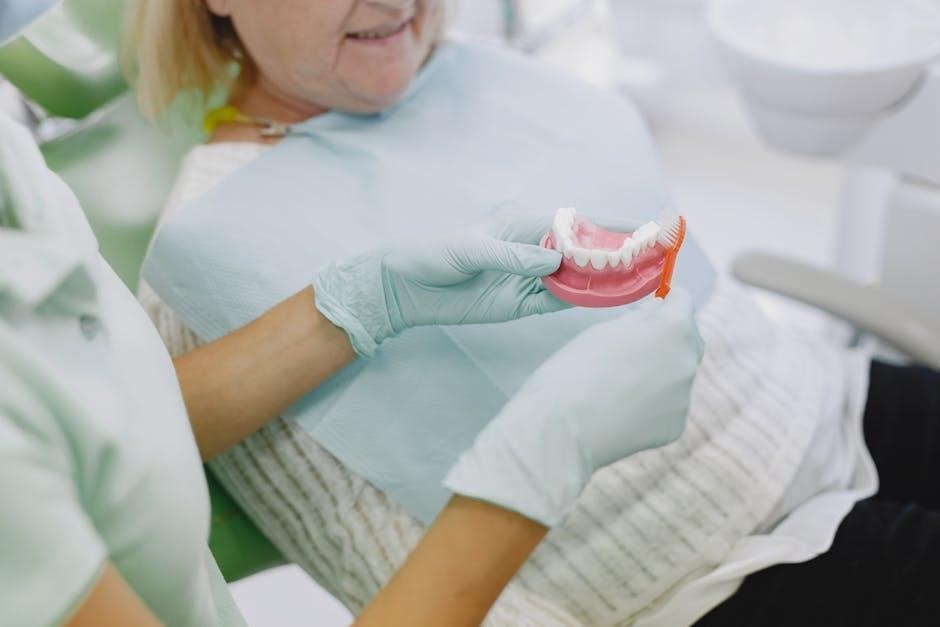
Denture teeth shapes vary – oval, square, and triangular for anterior teeth, while posterior teeth focus on cusp shapes and angles for occlusion.
Anterior Teeth Shapes
Anterior teeth shapes significantly impact the aesthetic outcome of a denture, influencing the patient’s smile and overall facial appearance. Three primary shapes are commonly utilized: oval/conical, square/rectangular, and triangular.
Oval/Conical anterior teeth present a softer, more rounded appearance, often favored for younger patients or those with naturally rounded facial contours. They blend seamlessly, creating a natural-looking smile. Conversely, square/rectangular anterior teeth offer a bolder, more defined look, suitable for individuals with stronger facial features or those desiring a more prominent smile line.
Triangular anterior teeth, characterized by a pointed incisal edge, can provide a youthful and dynamic aesthetic. The selection hinges on replicating the patient’s original dentition or achieving a desired aesthetic enhancement. Careful consideration of lip support, facial symmetry, and patient preferences is crucial when choosing the appropriate anterior tooth shape for optimal results.
Oval/Conical Anterior Teeth
Oval/conical anterior teeth are frequently selected for dentures aiming for a softer, more youthful aesthetic. Their rounded contours and gradual transition from the cervical to incisal edge mimic the natural shape of many individuals’ teeth, particularly those with rounded facial features. This shape blends harmoniously with the surrounding tissues, creating a natural-looking smile line.
These teeth are often preferred for patients who previously possessed similar tooth morphology, ensuring a familiar and comfortable appearance. The conical form gently guides the eye, contributing to a balanced and pleasing smile. Careful attention to shade and translucency is vital when using oval/conical shapes, as these characteristics further enhance their natural appearance. They are especially suitable for complete denture cases where a softer, less defined aesthetic is desired.
Square/Rectangular Anterior Teeth
Square/rectangular anterior teeth present a bolder, more defined aesthetic, often chosen for patients with strong facial features or those desiring a more contemporary look. These teeth exhibit straight, flat surfaces and sharp angles, creating a striking visual impact. They are particularly effective in masking deficiencies in the underlying support structure, providing a fuller appearance.
Historically, these shapes were more common, and some patients may prefer their familiarity. However, careful consideration is needed, as overly square shapes can appear unnatural or harsh if not appropriately integrated with the patient’s facial form and existing dentition. Skillful artistry in shade selection and arrangement is crucial to avoid a rigid or artificial smile. They can be a good choice for individuals who previously had similar tooth morphology, offering a restoration that aligns with their expectations.
Triangular Anterior Teeth
Triangular anterior teeth, characterized by their tapered shape from base to incisal edge, offer a youthful and dynamic aesthetic. These shapes mimic the natural contours often seen in younger individuals, creating a softer, more vibrant smile. The triangular form allows for excellent light transmission, enhancing the tooth’s translucency and contributing to a lifelike appearance.
They are frequently selected for patients with a shorter facial height or those seeking a more rejuvenated look. However, careful attention must be paid to the overall arrangement to avoid an overly pointed or aggressive smile. Skillful customization of the incisal edge and embrasure spaces is essential for achieving a harmonious result. These teeth can effectively blend with existing natural dentition, providing a seamless transition and a natural-looking restoration.
Posterior Teeth Shapes
Posterior denture teeth shapes are crucial for functional occlusion and stability, differing significantly from anterior designs. These teeth prioritize efficient mastication over pure aesthetics. The focus shifts to cusp shapes and arrangements, which dictate how the teeth interact during chewing. Variations in occlusal morphology – the pattern of cusps and grooves – influence the distribution of forces and prevent localized stress.
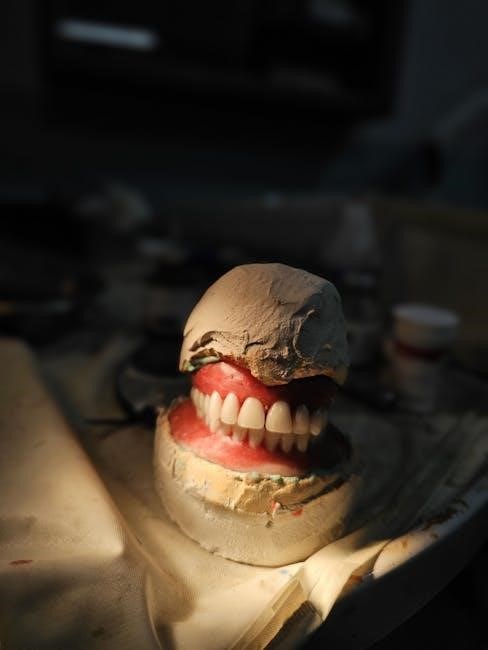
Understanding cusp angles is paramount; steeper angles provide greater cutting efficiency but can also increase wear. Shallower angles offer more even force distribution, enhancing denture longevity. Denture designers carefully select posterior tooth forms based on the patient’s bite, jaw musculature, and overall denture design, aiming for balanced occlusion and comfortable function. Proper posterior tooth selection is vital for long-term denture success.
Cusp Shapes (Occlusal Morphology)
Cusp shapes, defining the occlusal morphology of posterior denture teeth, are fundamental to efficient chewing and force distribution. Common variations include conical, ovoid, and triangular cusps, each impacting how the denture interacts with food and opposing teeth. Conical cusps offer concentrated cutting, while ovoid cusps provide broader contact areas for grinding. Triangular cusps balance cutting and grinding capabilities.
The arrangement and height of cusps are equally important. Well-defined cusps guide food into position for effective breakdown, reducing strain on the jaw. Occlusal anatomy mimics natural teeth, promoting a natural chewing motion. Careful consideration of cusp form ensures balanced occlusion, minimizing stress points and maximizing denture stability. Proper occlusal morphology is key to patient comfort and long-term denture function.
Cusp Angles & Their Impact
Cusp angles significantly influence the occlusal forces and chewing efficiency of dentures. Steeper cusp angles generally provide more aggressive cutting and penetration during initial food breakdown, suitable for patients needing efficient bolus preparation. Shallower angles offer broader occlusal contact, distributing forces over a larger area and reducing stress on the supporting tissues.
The ideal cusp angle balances cutting efficiency with stability. Excessive angles can lead to localized stress and potential denture fracture, while insufficient angles may compromise chewing effectiveness. Consideration of the patient’s remaining musculature and occlusal scheme is crucial. Adjusting cusp angles during denture design and fabrication optimizes function, comfort, and longevity, ensuring harmonious interaction with opposing dentition and minimizing undesirable forces.
Factors Influencing Denture Tooth Shape Selection
Shape selection considers patient age, facial form, existing occlusion, and aesthetic desires, ensuring dentures harmonize with individual anatomy and preferences for optimal results.
Patient’s Age & Facial Form
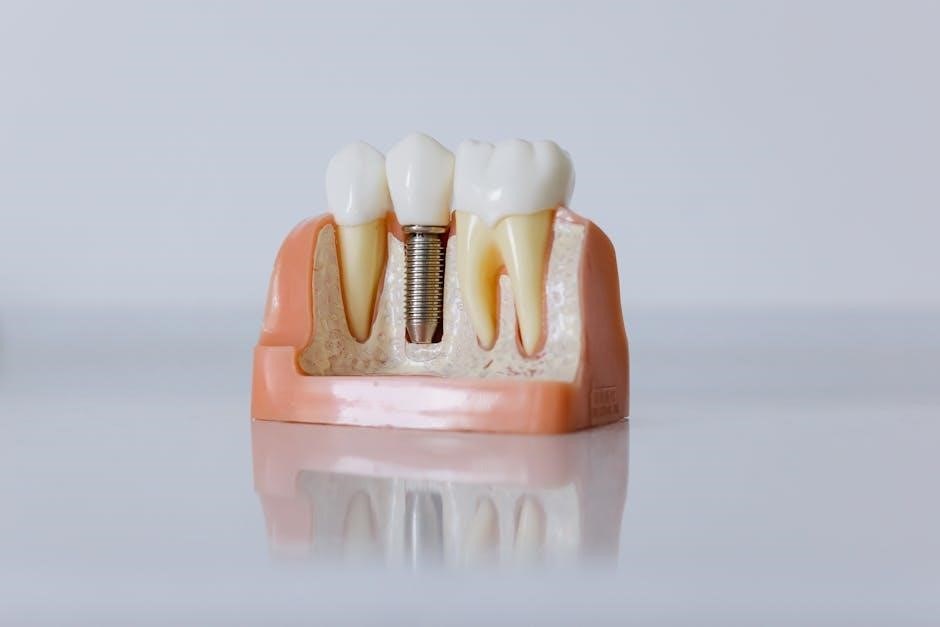
Patient age significantly influences denture tooth shape selection, as morphological characteristics change with time. Younger patients generally benefit from more dynamic and defined tooth forms, often favoring shapes with greater cusp heights and incisal development to reflect youthful vitality. Conversely, older patients may require more simplified shapes, with reduced cusp angles and incisal edges, accommodating age-related changes in occlusal forces and functional demands.
Facial form is equally crucial; denture teeth must support lip and cheek contours, restoring a natural and aesthetically pleasing appearance. A patient with a diminished facial profile might necessitate teeth with a shorter incisal length and broader occlusal tables to provide adequate support. Conversely, individuals with a more prominent facial structure may benefit from teeth with greater incisal length and defined shapes to maintain facial harmony. Careful consideration of these factors ensures the dentures not only function effectively but also enhance the patient’s overall appearance and self-confidence.
Existing Occlusion & Bite
Analyzing a patient’s existing occlusion and bite is paramount when selecting denture tooth shapes. Prior dental arrangements, even if incomplete, provide valuable clues about functional habits and occlusal schemes. Replicating aspects of the original occlusion, where possible, can facilitate a smoother transition for the patient and minimize adaptation challenges. Understanding pre-existing bite patterns – whether it was a Class I, II, or III relationship – guides the selection of appropriate cusp angles and occlusal morphology.
Furthermore, assessing the patient’s vertical dimension of occlusion (VDO) is critical. Incorrect VDO can lead to instability and discomfort. Tooth shapes with varying cusp heights and incisal edges allow for adjustments to achieve the optimal VDO. If significant tooth loss has occurred, establishing a functional and comfortable bite relationship becomes even more important, necessitating careful consideration of tooth shape to ensure proper occlusal contact and stability during function.
Aesthetic Considerations & Preferences
Aesthetic considerations are central to patient satisfaction with dentures. Tooth shape significantly impacts facial appearance, influencing lip support, cheek fullness, and overall smile aesthetics. Patients often have pre-conceived notions about what constitutes an attractive smile, and these preferences should be carefully considered during the selection process.
For example, some patients may prefer a more youthful appearance with brighter, whiter teeth and prominent incisal edges, while others may desire a more natural look with subtle variations in shade and form. Anterior tooth shapes – oval, square, or triangular – play a crucial role in achieving the desired aesthetic outcome. Facial form and age also influence shape selection; a more rounded face might benefit from softer, more oval shapes, while a square face could be complemented by more rectangular forms. Open communication and visual aids are essential to align expectations and achieve a harmonious result.
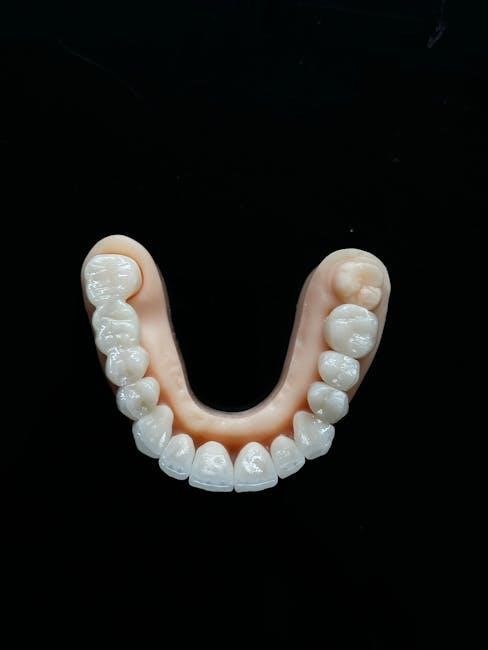
Materials & Their Impact on Shape
Denture tooth materials – acrylic, porcelain, or composite – influence achievable shape detail and durability, impacting both aesthetics and functional longevity.
Acrylic Denture Teeth
Acrylic denture teeth represent a widely utilized and cost-effective option in complete denture fabrication. Their inherent softness allows for easier adjustments and polishing, contributing to patient comfort and facilitating efficient laboratory procedures. However, this same softness renders them more susceptible to wear over time compared to porcelain alternatives, potentially altering the original tooth shape and occlusal scheme;
The manufacturing process of acrylic teeth allows for a broad spectrum of shapes and shades, offering clinicians considerable flexibility in replicating natural dentition. While generally exhibiting less translucency than porcelain, advancements in acrylic resin technology have improved aesthetic outcomes. Clinicians must carefully consider the patient’s occlusal forces and parafunctional habits when selecting acrylic teeth, as excessive wear can compromise denture function and necessitate frequent replacements. Regular clinical evaluations are crucial to monitor acrylic tooth morphology and address any signs of deterioration promptly.
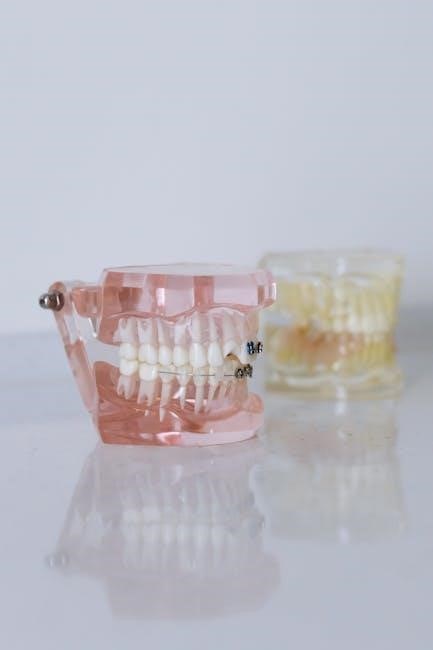
Porcelain Denture Teeth
Porcelain denture teeth historically offered superior aesthetics and wear resistance compared to acrylic options, closely mimicking the translucency and surface texture of natural teeth. Their hardness maintains detailed morphology under functional loads for extended periods, reducing the need for frequent adjustments or replacements. However, porcelain’s brittleness presents a significant drawback; they are prone to chipping or fracturing, particularly upon impact or improper handling during insertion or adjustments.
The inherent rigidity of porcelain also necessitates careful consideration of the opposing denture base and occlusal scheme to avoid unfavorable stress distribution. While advancements in porcelain formulations have improved their impact resistance, clinicians must exercise caution during laboratory procedures and patient instruction. Despite the risk of fracture, porcelain teeth remain a viable choice for patients prioritizing long-term aesthetics and wear durability, provided appropriate clinical protocols are followed.
Composite Denture Teeth
Composite denture teeth represent a relatively newer material option, bridging the gap between acrylic and porcelain in terms of properties and cost. These teeth offer improved aesthetics compared to acrylic, exhibiting better translucency and polishability, allowing for a more natural appearance. They demonstrate enhanced impact resistance compared to porcelain, reducing the risk of chipping or fracture under stress. However, composite teeth generally exhibit a lower wear resistance than porcelain, potentially leading to morphological changes over time.
The material’s ability to be easily modified and repaired in the laboratory is a significant advantage. Composite teeth can be readily adjusted to achieve optimal occlusal harmony and customized aesthetics. While not as brittle as porcelain, careful handling is still required during processing and insertion. They are a suitable choice for patients seeking a balance between aesthetics, durability, and affordability, offering a versatile solution for denture fabrication.
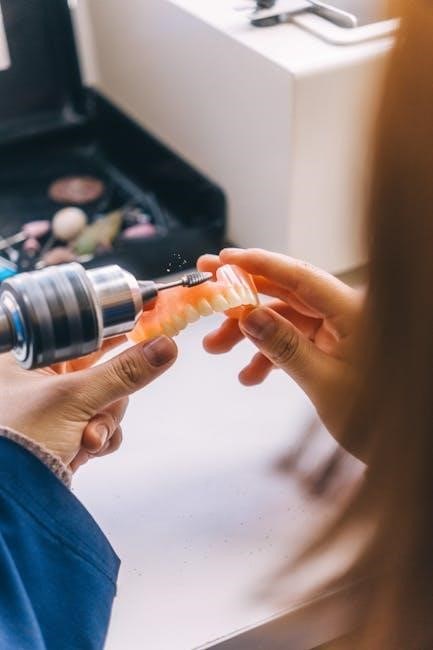
Clinical Applications of Tooth Morphology in Dentures
Tooth morphology aids in mounting radiographs, charting missing teeth, selecting temporary crowns, forming matrix bands, and fabricating temporary bridges effectively.
Mounting Dental Radiographs
Understanding tooth morphology is crucial when mounting dental radiographs for accurate diagnostic interpretation. The shape and arrangement of natural teeth, and consequently denture teeth, provide key landmarks for correctly orienting the radiograph. This ensures that anatomical structures are properly aligned for assessment.
Specifically, recognizing the curvature of the dental arches – maxillary and mandibular – and the individual characteristics of each tooth (incisal edges, cusp positions) allows for precise mounting. Incorrect mounting can lead to misinterpretations of bone levels, root positions, and potential pathologies.
Denture tooth shapes, designed to replicate natural dentition, therefore become essential references. Familiarity with typical tooth forms – oval, square, triangular – aids in visualizing the expected radiographic appearance and verifying correct mounting. This skill is fundamental for comprehensive dental diagnosis and treatment planning, especially when evaluating patients with existing or planned dentures.
Charting Missing Teeth & Drift
Accurate charting of missing teeth and subsequent drift relies heavily on a solid understanding of natural tooth morphology. Knowing the typical shape and size of each tooth – whether anterior oval/conical or posterior with defined cusps – allows for precise documentation of defects. This is particularly important when planning denture replacements.
When teeth are lost, adjacent teeth often shift, altering the original arch form. Recognizing these drift patterns requires visualizing the expected tooth shapes in their original positions. Denture tooth selection must account for this drift to restore proper occlusion and function.
Detailed charting, informed by morphological knowledge, guides the design of the denture base and the arrangement of artificial teeth. It ensures the prosthesis effectively replaces the missing structures and harmonizes with the remaining dentition, ultimately improving the patient’s oral health and quality of life.
Temporary Crown & Band Selection
A firm grasp of tooth morphology is crucial when selecting temporary crowns or orthodontic bands. Practitioners often face a variety of shapes and sizes, necessitating accurate assessment of the prepared tooth or the intended band placement. Understanding the natural contours – be it the conical form of an anterior tooth or the cusp arrangement of a posterior – guides the selection process.
Choosing a temporary crown that closely mimics the original tooth’s shape ensures proper emergence profile and occlusal relationships. Similarly, selecting the correct orthodontic band size and shape is vital for effective tooth control and bracket placement.
This skill minimizes adaptation issues, promotes patient comfort, and facilitates predictable treatment outcomes. Accurate selection, rooted in morphological awareness, streamlines the restorative or orthodontic process, contributing to efficient and successful dental care.

Advanced Considerations
Digital denture design allows shape customization, while wear impacts tooth morphology; regular maintenance preserves function and aesthetics for long-term success.
Digital Denture Design & Shape Customization
Digital denture design represents a significant advancement, offering unprecedented control over tooth morphology and overall denture aesthetics. Utilizing CAD/CAM technology, clinicians can now precisely sculpt and customize each tooth, moving beyond the limitations of traditional, pre-fabricated options. This allows for a highly individualized approach, replicating the nuances of a patient’s natural dentition with remarkable accuracy.
Software enables adjustments to tooth shape, size, and position, facilitating the creation of dentures that harmonize with the patient’s facial features and existing occlusion. Furthermore, digital workflows streamline the fabrication process, reducing errors and improving the predictability of the final result. The ability to visualize the denture before fabrication allows for collaborative design with the patient, ensuring their satisfaction with the aesthetic outcome. This level of customization is particularly beneficial in cases requiring complex restorative solutions or when aiming for a highly natural appearance.
The Impact of Wear on Denture Tooth Shape
Denture tooth shape is inevitably altered over time due to functional and mechanical wear. Acrylic teeth, commonly used in dentures, are susceptible to abrasion from food particles and the opposing dentition, leading to a gradual flattening of occlusal surfaces and changes in cusp morphology. This wear can disrupt the original occlusal scheme, impacting chewing efficiency and potentially causing instability.
Porcelain teeth exhibit greater resistance to wear but can still be subject to chipping or fracture. Uneven wear patterns can also develop, creating premature contacts and contributing to discomfort or temporomandibular joint issues. Regular clinical evaluations are crucial to monitor denture tooth shape and identify areas of excessive wear. Adjustments or relining may be necessary to restore proper occlusion and function, preventing further deterioration and ensuring long-term denture success. Proactive management minimizes adverse effects.
Maintaining Denture Tooth Shape & Function
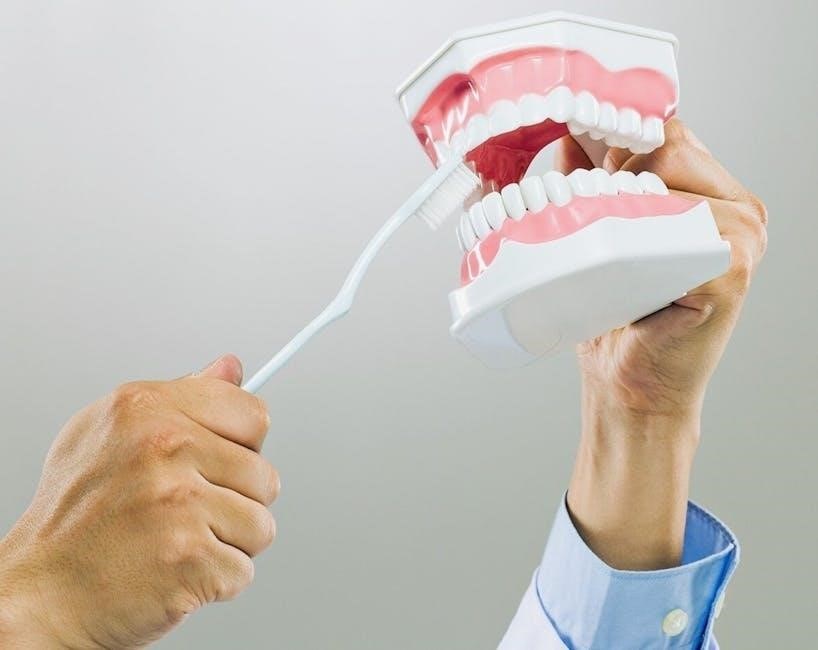
Maintaining denture tooth shape and function requires diligent patient care and regular professional maintenance. Patients should practice meticulous oral hygiene, brushing dentures daily with a soft-bristled brush and non-abrasive denture cleanser to remove food debris and plaque. Avoiding hard or sticky foods minimizes the risk of fracture or deformation of the denture teeth.
Regular dental check-ups – typically every six to twelve months – are essential for professional cleaning, assessment of denture fit, and evaluation of tooth wear. Dentists can identify and address any issues, such as occlusal imbalances or areas of excessive wear, through adjustments or relining. Proper storage of dentures in water or a denture soaking solution prevents warping and maintains their dimensional stability. Following these guidelines extends denture lifespan and preserves optimal function.